


Understanding Bitcoin Halving Impact: A Deep Dive
With the crypto market continuously evolving, significant events such as the Bitcoin halving create waves that affect investors and miners alike. With estimates suggesting over $100 billion in market cap adjustments, understanding the Bitcoin halving impact is crucial for anyone in the digital asset space. This article delves into the mechanics, historical patterns, and future implications of Bitcoin halvings.
What is Bitcoin Halving?
Bitcoin halving is an event that occurs approximately every four years, precisely every 210,000 blocks mined. During a halving event, the reward that miners receive for verifying transactions is cut in half, hence the term “halving.” This built-in feature of the Bitcoin protocol was designed by its creator, Satoshi Nakamoto, to reduce the rate at which new bitcoins are created, thereby controlling inflation and increasing scarcity over time.
Why Does Bitcoin Halving Matter?
Bitcoin has an emerging scarcity model. Every halving reduces the rate of bitcoin supply. Why does this matter? Let’s break it down:
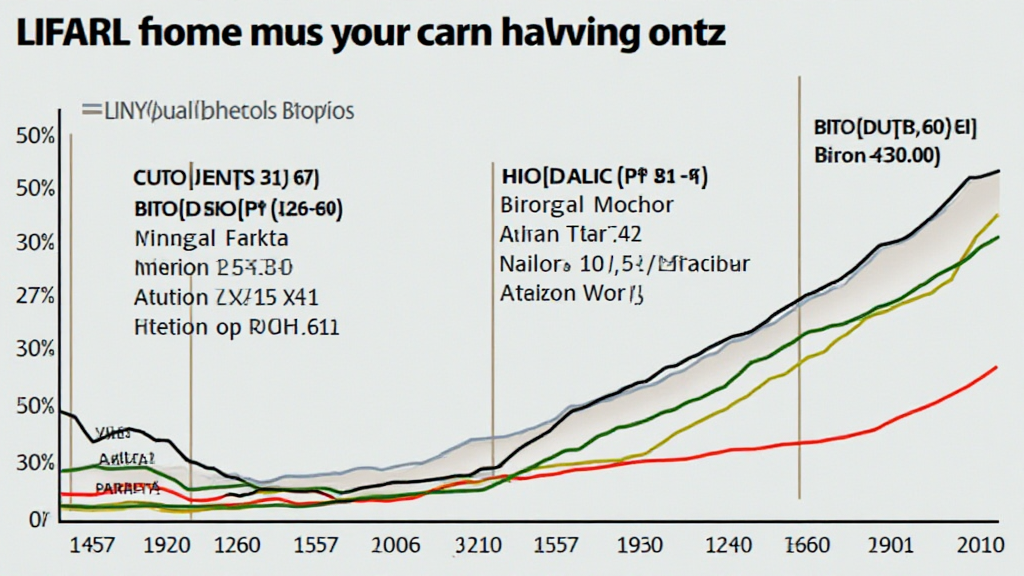
- Supply and Demand: The principle of economics tells us that when the supply of an asset decreases while demand increases, the value of that asset will typically rise.
- Mining Profitability: A drop in rewards affects miners’ profitability. Efficiency becomes critical for survival.
- Market Psychology: Anticipation and speculation surrounding halvings often lead to increased investment, driving up demand.
The Historical Context of Bitcoin Halving
To truly understand the impact of Bitcoin halving, we must look back at past events:
1. First Halving – November 2012
The inaugural halving saw the rewards drop from 50 BTC to 25 BTC. Following this event, Bitcoin’s price skyrocketed from about $11 to over $1,100 in the subsequent year.
2. Second Halving – July 2016
The second halving halved the block reward to 12.5 BTC. This led to a massive price surge, peaking near $20,000 by December 2017.
3. Third Halving – May 2020
As of writing this, the latest halving decreased the reward to 6.25 BTC. Post-halving, Bitcoin achieved an all-time high of $64,000 in April 2021.
Anticipating Future Halvings
The next halving is projected to occur in 2024, reducing the reward to 3.125 BTC. Analysts predict that similar to previous halvings, there may be price increases. Factors like increased adoption and regulatory clarity will further influence outcomes.
Implications for Miners
Nothing shakes the mining community more than an impending halving. Miners need to adjust their strategies and operations.
- Operational Efficiency: Faced with lower rewards, miners are pushed to improve their operational efficiencies leveraging better hardware and energy sources.
- Investment Shifts: Some miners may opt to sell their holdings to maintain liquidity during this transition.
Market Trends Post-Halving
Historical trends suggest that Bitcoin price increases could be due to various factors such as:
- Increased Media Attention: Post-halving discussions garner massive media and investor attention.
- Institutional Investment: With growing recognition, institutional investors may see halvings as opportunities.
Data Insights for the Vietnamese Market
In Vietnam, the crypto user base is increasing, with a growth rate of 30% year-on-year. The rising interest brings opportunities for localized education on events like Bitcoin halving.
Maximizing Opportunities in the Vietnamese Crypto Landscape
For Vietnamese investors, understanding Bitcoin halving impact is crucial. With booming interest among the youth and growing investments, aligning strategies around Bitcoin’s halving schedule can be advantageous.
Conclusion: The Future Awaits
Bitcoin halving is much more than just a technical event—it’s a seismic occurrence in the blockchain sphere with far-reaching ramifications. As we look to the next one in 2024, strategies must be readjusted in anticipation of market fluctuations. Investors, miners, and enthusiasts should prepare, educate themselves, and engage in discussions about Bitcoin halving impact to harness its full potential.
Not financial advice. Consult local regulators before engaging in cryptocurrency investments.
Author: Dr. Alex Jensen, PhD in Cryptocurrency Economics, has published over 15 papers in blockchain technology and led audits for top-tier projects in the crypto space.


