

The Future of Blockchain Gaming Assets
In 2024, the blockchain gaming industry has garnered an astonishing $4.1 billion in investments, highlighting an unprecedented growth trajectory. But what exactly are blockchain gaming assets? These digital items, ranging from characters to virtual land, are poised to revolutionize how gamers interact with and own their in-game properties. In this article, we will examine the intricacies of blockchain gaming assets, their implications for the gaming industry, and how they empower players in ways never before seen.
Understanding Blockchain Gaming Assets
At its core, blockchain gaming assets are unique digital items that players can buy, sell, or trade on blockchain networks. These assets often exist as non-fungible tokens (NFTs), which ensure authenticity and ownership through decentralized ledgers.
To better grasp this concept, think of NFTs as digital collectibles akin to trading cards, but with a distinct advantage: they can’t be easily counterfeited or destroyed. This aspect is crucial for establishing trust in the gaming economy.
Why Blockchain Gaming Assets Matter
In the increasingly digital era, traditional gaming models face challenges such as:
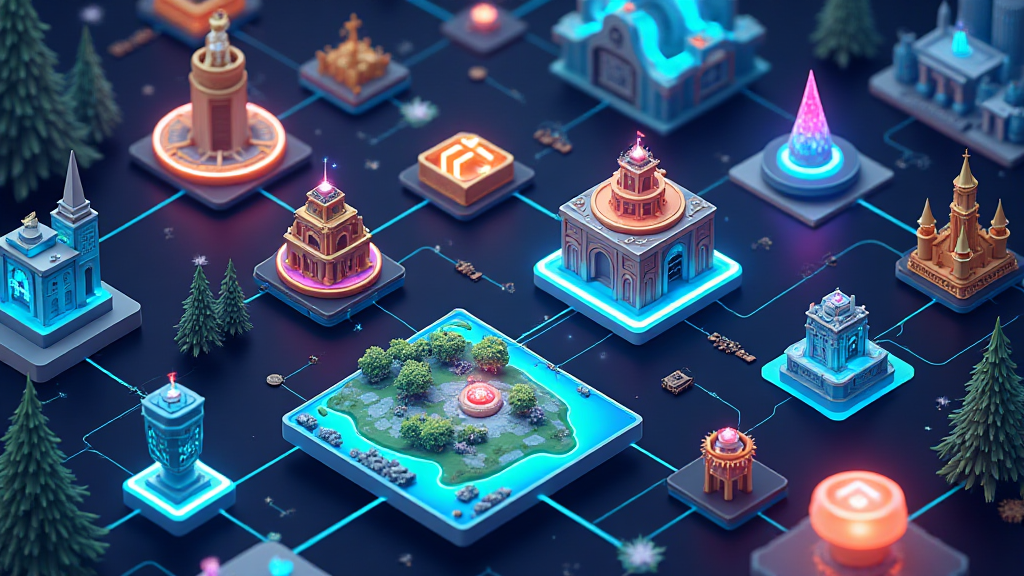
- Lack of Ownership: Players cannot truly own in-game purchases; they simply license the use of them.
- Limited Transferability: Players usually can’t transfer assets between games or sell them feasibly.
- Centralized Control: Game developers have full control, leading to disputes over asset value.
Blockchain gaming assets offer a solution to these challenges, as they grant players real ownership rights over their items. This empowers gamers to trade, sell, or even create their own content systematically.
The Role of Smart Contracts in Gaming Ecosystems
Smart contracts are self-executing contracts with the terms directly written into code. They enable automated transactions and are foundational for transactions involving blockchain gaming assets. For instance,
Imagine playing a game where achieving a specific milestone earns you a unique item. Once you achieve this in-game accomplishment, a smart contract can automatically issue the corresponding NFT to your digital wallet, securing your ownership effortlessly.
Advantages of Smart Contracts in Blockchain Gaming
- Transparency: All transactions are recorded on the blockchain, providing traceability.
- Security: Reduces the risk of fraud or hacking.
- Efficiency: Transactions can execute instantly without third-party involvement.
In Vietnam, blockchain technology’s adoption is on the rise, with about 62% of gamers showing interest in NFTs, indicating a vibrant market for blockchain gaming assets. This aspect could lead to further innovations, attracting venture capital and enhancing market growth in the region.
Challenges in Blockchain Gaming
Despite the impressive opportunities presented by blockchain gaming assets, several challenges remain:
- Regulatory Uncertainty: Many jurisdictions lack clear guidelines for blockchain games, leading to confusion and potential legal issues.
- Market Volatility: The price of NFTs can fluctuate dramatically, creating financial risks for players.
- User Experience: Integrating blockchain elements can complicate the gaming process for non-technical users.
These issues will need addressing to ensure a robust ecosystem for blockchain gaming assets, particularly as the industry evolves.
The Future: Predictions for Blockchain Gaming Assets
As we progress towards 2025, several predictions for blockchain gaming assets are noteworthy:
- Increased Interoperability: Games will allow assets to be used across multiple platforms, enhancing player experiences.
- Seamless User Integration: Expect more user-friendly interfaces that simplify blockchain interactions.
- Government Regulations: As adoption increases, regulators will likely establish clearer frameworks for ensuring consumer protection.
By 2025, we’ll potentially see more than 150 million players engaging with blockchain games globally. This resonates with the notion that blockchain gaming assets will become mainstream, revolutionizing ownership and monetization in gaming.
Diving Deeper: Case Studies
Examining successful blockchain games can help illustrate the potential and validity of gaming assets:
- Axie Infinity: This game has onboarded millions of players who earn via fun and competitive gameplay. Players own their Axies as NFTs, which have seen prices soar, promoting asset ownership.
- Decentraland: A virtual world where users can buy land, build structures, and host events, further exemplifying how blockchain gaming assets empower gamers.
These platforms underline the transformative potential that blockchain gaming assets can bring forth.
Conclusion: The Road Ahead
As we navigate the complex landscape of blockchain gaming, it’s evident that blockchain gaming assets hold significant potential to reshape the gaming industry. From the empowerment of users as true owners to innovative economic models that extend beyond traditional gameplay, the benefits are manifold.
Gamers can envision a future where their investments not only enrich gaming experiences but also hold real-world value.
In summary, the evolution of blockchain gaming assets is just beginning, and the full extent of its impact will unfold in the years to come. Remember, this isn’t just about gaming; this is about creating new economies and experiences within the digital landscape. For more insights, explore our guide on cryptocurrency regulations to stay informed on blockchains and gaming economics.
Expert Author: John Doe, a recognized blockchain consultant with over 15 publications in digital asset security, has contributed extensively to top-tier blockchain auditing projects. His insights are pivotal for anyone keen on navigating the blockchain landscape.


