


Introduction to Crypto Synthetic Assets
In 2024 alone, $4.1B was lost due to hacks and scams in the DeFi space, highlighting a significant concern in digital investing. As the cryptocurrency market continues to evolve, new financial instruments emerge, and among them are crypto synthetic assets. But what exactly are they, and how can they benefit investors?
Crypto synthetic assets, essentially derivatives that represent other assets such as commodities, currencies, or even existing cryptocurrencies, exist entirely on the blockchain. These assets allow investors to gain exposure to various markets without having to directly own the underlying assets. With the rapid growth of blockchain technology, understanding synthetic assets is critical for any serious crypto investor.
What Are Crypto Synthetic Assets?
Crypto synthetic assets can be thought of like financial derivatives that mimic the value of real-world assets. Here’s a more detailed breakdown:
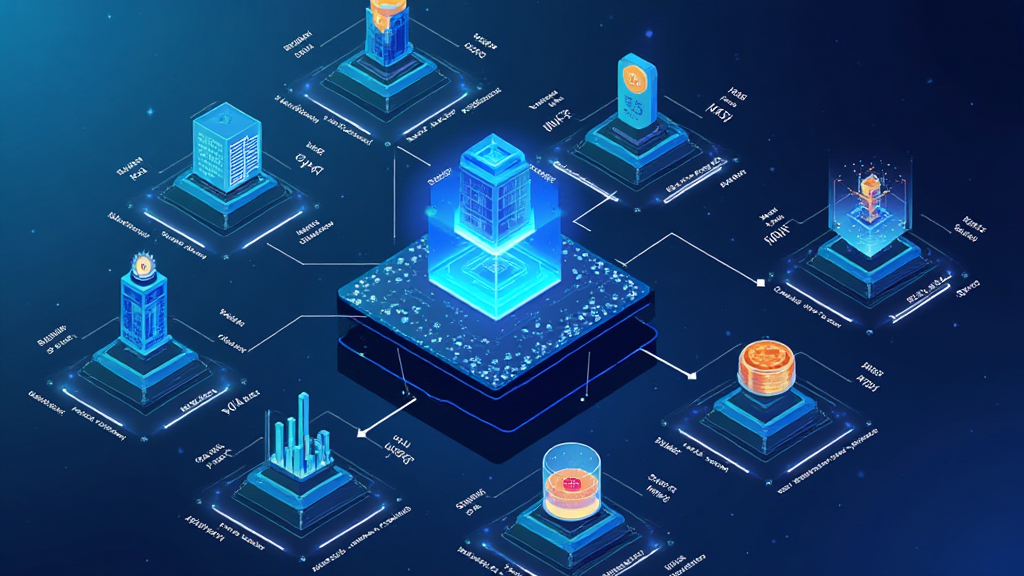
- Definition: A synthetic asset is any asset created using blockchain technology which represents the value of another asset.
- Types: They can include synthetic versions of stocks, currencies, or commodities, offering a way to speculate on their price movements.
- Mechanism: They are created using smart contracts that hold collateral to ensure value and security.
In Vietnam, the demand for innovative investment options like these is on the rise, reflecting a broader trend in the Asian market.
The Advantages of Crypto Synthetic Assets
For investors, synthetic assets present several opportunities:
- Accessibility: Synthetic assets can be accessed and traded without the need for intermediaries.
- Diversification: They enable investors to diversify their portfolios by including a broader range of assets.
- Transparency: Operations on the blockchain provide a level of transparency not usually found in traditional finance.
As blockchain technology evolves, the advantages of synthetic assets become clearer, allowing users to enjoy unprecedented convenience and flexibility.
Risks Associated with Crypto Synthetic Assets
While there are numerous advantages, investors should also be aware of potential risks:
- Market Volatility: Prices can change very rapidly, making synthetic assets risky investments.
- Smart Contract Vulnerabilities: Any flaws in the contract could lead to financial loss.
- Regulatory Issues: As with all cryptocurrencies, regulatory clarity is still developing, and changes may affect the use of synthetic assets.
Investors in Vietnam should stay updated on local regulations and blockchain security standards (tiêu chuẩn an ninh blockchain) to mitigate these risks.
How to Invest in Crypto Synthetic Assets
Investing in crypto synthetic assets isn’t much different from purchasing regular cryptocurrencies:
- Choose a Platform: Select a reliable trading platform that supports synthetic asset trading.
- Understand the Assets: Research the types of synthetic assets available and their underlying assets.
- Manage Your Portfolio: Regularly review your investments and adjust as necessary based on market conditions.
In Vietnam, platforms for trading synthetic assets are starting to emerge, providing local investors with exciting opportunities.
The Future of Synthetic Assets
Looking ahead, synthetic assets are poised to grow even more. According to recent industry reports, the adoption rate of synthetic assets in Asia could surge by 25% in 2025. Investors should prepare for:
- Increased Regulation: As the market matures, expect more formal regulations to protect investors.
- Technological Innovations: New blockchain technologies may further enhance the appeal of synthetic assets.
- Broader Adoption: More investors might choose synthetic assets for diversification.
To capitalize on these trends, maintain a keen eye on emerging technological advancements and their impacts on the investment landscape.
How Synthetic Assets Compare to Traditional Assets
When we compare synthetic assets to traditional investments, several key differences arise:
- Ownership: With synthetic assets, ownership is always fractional and tied to a smart contract.
- Liquidity: Synthetic assets can often provide higher liquidity compared to traditional stock markets.
- Trading Costs: Fees for trading synthetic assets may be lower due to the elimination of intermediaries.
In summary, synthetic assets present a compelling alternative for investors looking to diversify, but they also require a clear understanding of their mechanisms.
Real-World Applications of Crypto Synthetic Assets
Many use cases for crypto synthetic assets have emerged over the past year:
- Fractional Ownership: Investors can hold fractions of expensive assets, increasing accessibility.
- Hedging Strategies: Traders can hedge against market downturns using synthetic assets.
- Decentralized Finance (DeFi): Synthetic assets play a pivotal role in DeFi ecosystems, driving innovative financial products.
These applications showcase how the use of synthetic assets can be a game-changer in trading and investment strategies.
Conclusion
In conclusion, crypto synthetic assets represent a significant advancement in digital investment strategies. They not only offer the potential for diversification and access to new markets but also come with unique challenges that investors must navigate. As outlined, staying aware of blockchain security standards (tiêu chuẩn an ninh blockchain) and market trends is crucial for any crypto investor, especially in the rapidly developing Vietnamese market.
For those interested in learning more about digital investment strategies, check out our guides on cryptocurrency trading trends and the implications of regulatory changes in Vietnam.
Not financial advice. Consult local regulators.


