


Data Privacy in Web3: Navigating the Future of Digital Security
In 2024 alone, the blockchain industry witnessed a staggering loss of approximately $4.1 billion due to various security breaches, with DeFi hacks accounting for a significant portion of these losses. What does this mean for the future of data privacy in Web3?
This article aims to shed light on the crucial aspects of data privacy in the Web3 landscape. As we transition from Web2 to Web3, ensuring the confidentiality and integrity of our data is vital. Here, we will explore methods, trends, and best practices to enhance your security posture in a decentralized environment.
The Importance of Data Privacy in Web3
As Web3 technologies like blockchain and decentralized applications (dApps) emerge, many users are unaware of how their data is being handled and stored. Unlike traditional applications where user data is stored on centralized servers, Web3 operates on decentralized networks where data privacy can be both a challenge and an advantage.
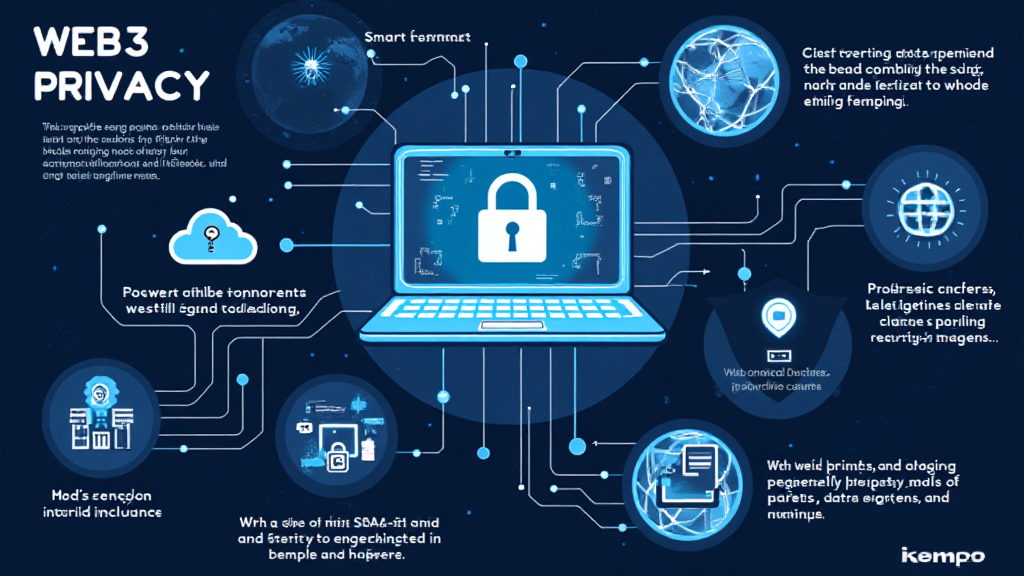
- Lack of Regulations: The absence of a comprehensive global regulatory framework may lead to data misuse.
- Control Over Personal Data: Web3 empowers users to control their private data but often lacks proper tools to manage it effectively.
- Increased Threats: Cyber threats are on the rise, with hackers continuously seeking new methods to exploit vulnerabilities.
Key Challenges in Ensuring Data Privacy
Web3 brings unique challenges regarding data privacy. Below are some critical concerns:
1. Smart Contract Vulnerabilities
Smart contracts, the backbone of dApps, can contain flaws that hackers exploit. According to a report by 2025’s Chainalysis, the number of hacks related to smart contracts is expected to double year-over-year. These vulnerabilities can lead to unauthorized data access, putting user information at risk.
- Regular audits and testing can significantly reduce vulnerabilities.
- Implementing stringent security protocols is crucial for developers.
2. Decentralized Identity Challenges
Web3 advocates for self-sovereign identities, but managing these identities poses significant risks. Users need to ensure that their identification methods are secure and resistant to fraud.
- Utilizing privacy-centric wallets can enhance protection.
- Implementing biometric security features adds an additional layer of safety.
3. Data Storage Issues
Data distributed across various nodes can lead to inconsistencies and data leakage. Adequate measures must be applied to protect sensitive information from being intercepted or compromised.
- Encryption should be standard practice for securing data at rest and in transit.
- Leveraging decentralized storage solutions can mitigate risks.
Best Practices for Enhancing Data Privacy
To navigate these challenges effectively, consider implementing the following measures:
1. Employ Robust Cryptographic Techniques
Data encryption is crucial when dealing with sensitive information. By employing state-of-the-art cryptographic techniques, users can ensure that their data remains confidential.
2. Familiarize Yourself with Compliance Regulations
While Web3 is still evolving, understanding local and international privacy standards like GDPR can help you ensure compliance and better protect user data.
3. Utilize Privacy-Enhancing Technologies (PETs)
Tools such as zero-knowledge proofs enable users to authenticate without revealing sensitive data. Implementing these technologies can greatly enhance user privacy.
The Future of Data Privacy in Web3
The future of Web3 and data privacy looks promising, with innovative solutions emerging to address security concerns. Research indicates that user adoption of blockchain services in Vietnam has seen a significant increase of over 50% in the last year alone, highlighting the importance of addressing data privacy challenges.
As we look to the future, organizations must prioritize data privacy in their projects and services. Initiatives promoting transparency and user control over personal information will define the blockchain landscape in 2025 and beyond.
Disclaimer: The information provided in this article is not financial advice. Always consult local regulators for compliance.
For more insights into improving your blockchain security measures, check out hibt.com.
This piece is authored by Dr. Nguyen Lien, an esteemed blockchain security researcher with over 30 published papers in the field and a significant role in auditing various well-known projects.


