


Introduction
In recent years, the rise of decentralized finance and blockchain technology has outpaced expectations. With $4.1 billion lost to DeFi hacks in 2024, the importance of security measures has come to the forefront. One of the most promising advancements in this domain is decentralized identity. This article explores how decentralized identity can enhance security, foster trust, and prevent fraud in the digital world.
Through implementing decentralized identity, users gain more control over their personal information while improving security measures. This article provides insights into the mechanisms behind decentralized identity, its applications, and the potential benefits for users and organizations alike.
What is Decentralized Identity?
Decentralized identity refers to a user-controlled digital identity that does not rely on centralized authorities. Instead of trusting a single entity, such as a bank or government, users can manage their identity through blockchain technology. This means that individuals can prove their identity without needing to share sensitive personal information.
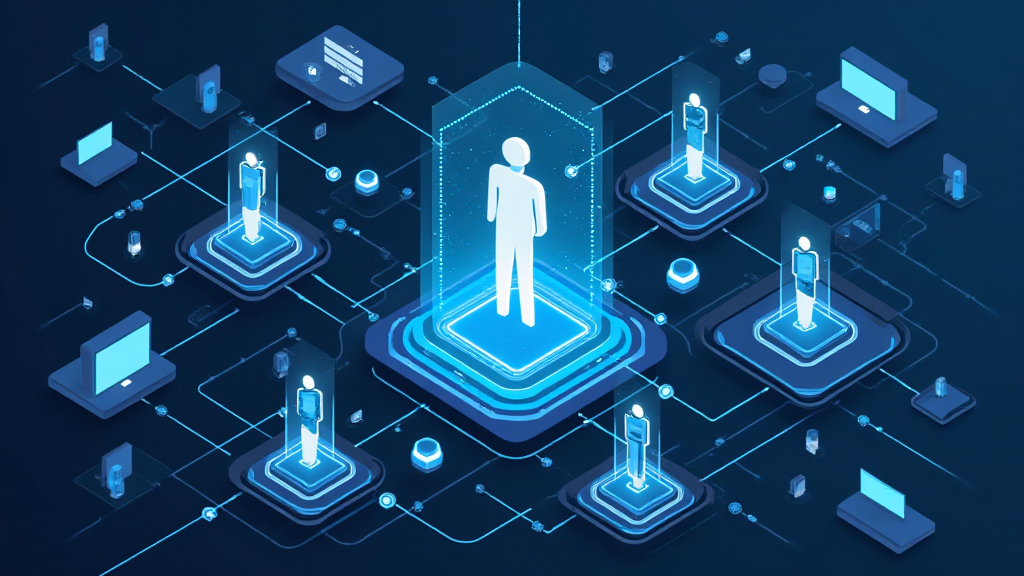
The essence of decentralized identity lies in self-sovereignty, which allows individuals to dictate how, when, and with whom their information is shared. This approach not only enhances privacy but also minimizes vulnerabilities associated with centralized systems.
How Decentralized Identity Works
Decentralized identity operates via multiple layers. Here’s how:
- Identity Creation: Users create their identity on a blockchain, having complete control over the information associated with it.
- Verification: Organizations can verify users’ identities through decentralized networks without accessing the actual data.
- Access Control: Users can share their validated information on a need-to-know basis, ensuring privacy and limiting data exposure.
Significance of Decentralized Identity
Decentralized identity systems can lead to significant changes across various sectors, including finance, healthcare, and personal data management. Here’s why decentralized identity matters:
1. Enhanced Security
By eliminating a single point of failure, decentralized identity makes it much more difficult for attackers to compromise systems. Imagine a bank, where traditional digital identities can be hacked; decentralized identity operates like a vault, making unauthorized access almost impossible.
2. User Empowerment
A decentralized identity system puts power back into the hands of users, allowing them to manage their data directly. Imagine being able to pick and choose who can view your information without relying on a third party.
3. Cost Reduction
Organizations can save costs associated with identity verification by utilizing decentralized systems that streamline processes and reduce fraud.
Case Study: VietBlockchain
In Vietnam, blockchain adoption is on the rise, with a 35% year-over-year growth in the crypto user base. VietBlockchain is a notable example that highlights the potential of decentralized identity. By implementing such a system, users in Vietnam can verify their identities for various e-commerce activities without compromising their personal information.
Challenges and Solutions
Despite its potential, decentralized identity also faces challenges:
- Adoption Resistance: Many organizations are hesitant to transition to decentralized systems due to unfamiliarity.
- Regulatory Compliance: Ensuring that decentralized identity adheres to existing laws remains a concern.
To mitigate these challenges, educational initiatives can aid organizations in understanding the benefits that decentralized identity brings. Collaboration with regulators will also help in establishing guidelines that facilitate the adoption of these systems.
Conclusion
Decentralized identity presents a unique and compelling solution to the rampant security challenges faced in today’s digital landscape. Its implementation can lead to a more empowered, secure, and efficient user experience. By adopting decentralized identity, systems can function more securely, ultimately leading to enhanced trust in the technology. Visit coinmitet to learn more about how decentralized identity and blockchain can reshape digital identity in the future.


