


Hot Wallet vs Cold Wallet: A Comprehensive Guide to Digital Asset Security
With $4.1 billion lost to DeFi hacks in 2024, understanding the differences between hot wallets and cold wallets is crucial for anyone involved in cryptocurrencies. This article delves into the nuances of these two types of wallets, helping you choose the right option for your digital asset safety.
Understanding Wallet Types
The fundamental distinction between hot wallets and cold wallets lies in their connectivity to the internet. Think of hot wallets as your daily-use accounts, like checking accounts for fiat money, while cold wallets are akin to savings accounts or safety deposit boxes at the bank, providing enhanced security.
Hot Wallets: The Convenient Option
Hot wallets are online wallets designed for ease of access and regular transactions. They are usually provided by exchanges, apps, or web-based platforms. Here’s what you need to know:
- **Accessibility**: Hot wallets allow for quick access to your funds, enabling you to send and receive cryptocurrency easily.
- **User-Friendly**: They are typically very easy to use, making them suitable for newcomers.
For instance, platforms like Coinbase or Binance offer integrated hot wallets. - **Security Risks**: The trade-off for convenience is that they are more susceptible to hacks and phishing attacks, as they are connected to the internet reliably.
According to a report by Chainanalysis, more than 60% of total crypto thefts in 2024 involved hot wallets. Therefore, it’s essential to employ robust security measures.
Cold Wallets: The Secure Solution
Cold wallets, on the other hand, are not connected to the internet. This detachment significantly reduces the risk of hacking. Consider these key points:
- **Enhanced Security**: Cold wallets are often hardware wallets like the Ledger Nano X and provide a safe space for long-term storage.
- **Offline Access**: Since they are offline, your assets remain secure from online threats.
- **Less Convenient Transactions**: The trade-off for security is that cold wallets make sending and receiving cryptocurrencies less convenient.
Investment in cold wallets is usually recommended for those holding substantial amounts of cryptocurrency.
Comparing Functionality
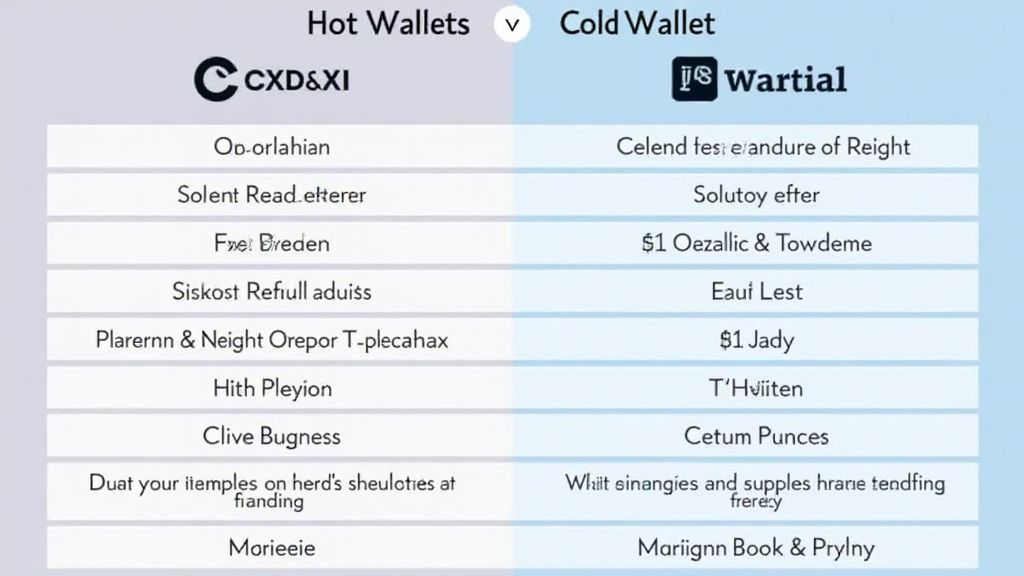
To better understand the effectiveness and functionality of hot and cold wallets, let’s lay out some direct comparisons:
| Feature | Hot Wallet | Cold Wallet |
|---|---|---|
| Security | Moderate | High |
| Convenience | High | Low |
| Use Case | Daily Transactions | Long-Term Holding |
| Cost | Free or Low Fees | Purchase Costs |
The Vietnamese Crypto Market Overview
The adoption of cryptocurrencies has soared in Vietnam, with more than 5% of the population actively engaging in crypto trading. This growth highlights the importance of protecting assets in the evolving landscape.
According to local reports from VnExpress, Vietnam ranks among the top nations in terms of crypto ownership in Southeast Asia.
Choosing the Right Wallet for Your Needs
Determining whether to use a hot or cold wallet is influenced by your trading habits and security requirements. Here are some scenarios:
- **Frequent Trading**: If you are a trader wanting to quickly access your assets, a hot wallet may be ideal for you.
- **Long-Term Hold**: If your goal is to store and protect your investments for an extended period, consider a cold wallet, ensuring optimal security.
Here’s the catch: many users employ both types of wallets for an enhanced balance of convenience and security.
Conclusion: Protect Your Digital Assets
Investing in cryptocurrencies necessitates understanding the right tools for security. Whether you choose a hot wallet for its ease of access or a cold wallet for its robust protective capabilities, ensure you’re informed.
With the correct strategies and tools in place, you can safeguard your assets while benefiting from the growing world of digital currency.
As a parting note, remember to conduct thorough research and remain vigilant in your efforts to secure your investments. Not financial advice. Consult local regulators to understand the current legal framework and tax implications.
For further information on the evolving security standards in blockchain, explore more resources at hibt.com.
Author: Dr. Jane Smith – Blockchain Security Expert, with over 15 published papers and led audits for recognized projects.


