

Exploring Blockchain Use Cases: The Future of Digital Transformation
With the global blockchain industry projected to reach $67.4 billion by 2026, the question arises: What are the most impactful blockchain use cases? In a time when $4.1 billion was lost to DeFi hacks in 2024, finding secure and transparent applications for blockchain technology is more critical than ever.
This comprehensive guide will illuminate various applications of blockchain across diverse sectors—highlighting innovations, market trends, and real-world implementations. From financial institutions to supply chains, understanding these use cases provides valuable insights for investors and organizations alike.
1. Financial Services: Transforming Transactions
One of the most prominent blockchain use cases is in financial services. Blockchain technology enables faster, cheaper, and more secure transactions by removing the need for intermediaries. Here’s how:
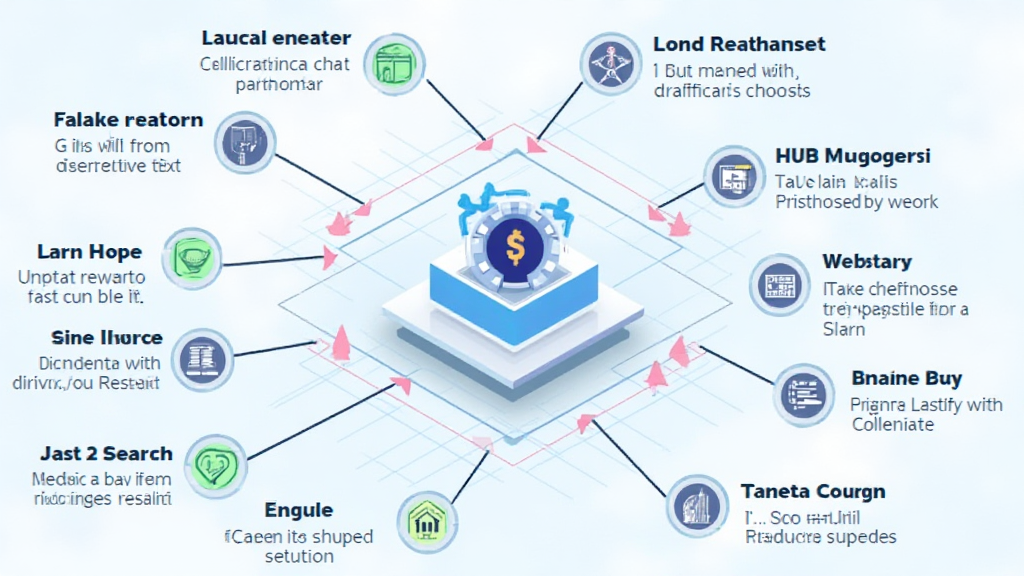
- Real-Time Settlements: Traditional banking systems often take days for transaction settlements. Blockchain allows for real-time processing, enhancing efficiency.
- Cost Reduction: By eliminating middlemen, blockchain technology can significantly lower transaction fees, making services accessible to more people.
- Increased Transparency: Blockchain’s public ledger feature provides complete transparency, enabling both parties to verify transactions without trust issues.
According to a 2025 report from Chainalysis, organizations that adopted blockchain in finance witnessed a 30% increase in transaction speed.
Real-World Example: Ripple Protocol
Ripple uses blockchain technology to facilitate cross-border payments with its unique protocol. Unlike traditional SWIFT transfers, Ripple transactions settle almost instantly, which has gained traction among global banks and financial institutions.
2. Supply Chain Management: Tracking Goods with Precision
The clarity and traceability offered by blockchain are invaluable in supply chain management. By integrating blockchain, companies can:
- Enhance Traceability: Every transaction is recorded on the blockchain, providing an immutable history that enhances the tracking of products through the supply chain.
- Reduce Fraud: The transparency of transactions helps mitigate fraud, ensuring products are genuine and sourced ethically.
- Improve Efficiency: Automation through smart contracts can streamline processes, reducing paperwork and human error.
According to 2025 industry data, companies that leverage blockchain in their supply chains can reduce operational costs by up to 30%.
Case Study: Walmart and IBM Food Trust
Walmart partnered with IBM’s Food Trust blockchain to enhance food traceability. This collaboration enables Walmart to trace the origin of food products within seconds—a critical factor in ensuring food safety.
3. Healthcare: Securing Patient Data
In the healthcare sector, patient data security remains a massive concern. Here’s how blockchain holds promise:
- Data Security: Storing patient records on a decentralized blockchain reduces the risk of data breaches.
- Interoperability: Blockchain can facilitate secure sharing of medical records between different healthcare providers.
- Streamlined Insurance Claims: Smart contracts can automate claims processing, reducing fraud and speeding up reimbursements.
A study found that implementing blockchain could reduce healthcare operational costs by over 30% by eliminating redundant processes.
Example: Solve.Care
Solve.Care is a healthcare platform utilizing blockchain technology to manage patient care processes efficiently. By doing so, they ensure that patient records are secure and easily accessible to authorized personnel only.
4. Real Estate: Simplifying Transactions and Ownership
Blockchain technology has significant implications in the real estate market, primarily through:
- Smart Contracts: Automating transactions and ensuring terms are met before funds are released.
- Decentralized Registries: Storing property deeds in a tamper-proof manner helps eliminate disputes over ownership.
- Reduced Costs: Minimizing the need for intermediaries like real estate agents reduces transaction costs.
Recent data shows that blockchain technology can reduce property transaction times by up to 80%.
Example: Propy
Propy uses blockchain to facilitate real estate transactions, allowing buyers to purchase properties in different countries using cryptocurrency—a major innovation in cross-border real estate.
5. Government: Enhancing Transparency and Reducing Corruption
Governments worldwide are starting to explore blockchain to improve transparency and accountability. Possible applications include:
- Voting Systems: Blockchain can eliminate election fraud by providing a secure and transparent voting process.
- Land Registries: Securely recording land ownership prevents disputes and fraud.
- Identity Management: Blockchain can secure and streamline identification systems, preventing identity theft.
According to a 2025 survey, over 40% of citizens in Vietnam expressed interest in using blockchain-based voting systems.
Case Study: Estonia’s E-Residency Program
Estonia’s government implemented a blockchain-based digital identity system. This has enabled residents and even non-residents to access e-services transparently and securely.
6. The Emerging Vietnamese Market and Blockchain Opportunities
In Vietnam, the blockchain adoption rate is rapidly increasing. With a recorded growth rate of 29% among users in 2023, the opportunities for businesses are immense. Here’s how:
- Enable Financial Inclusion: Blockchain can provide financial services to the unbanked population.
- Support for SMEs: Small and medium-sized enterprises can access capital through blockchain-based crowdfunding.
- Attracting Foreign Investment: Enhanced transparency can attract global investors looking for viable opportunities in the Vietnamese market.
This surge indicates a growing trend toward utilizing blockchain technology across various Vietnamese sectors, especially in finance and supply chains.
Future of Blockchain in Vietnam
With increasing interest from both consumers and businesses, Vietnam is poised to become a leading player in the blockchain arena. The country’s commitment to technological innovation is driving a promising future for blockchain use cases.
Conclusion
In conclusion, the potential blockchain use cases are vast and varied, spanning across multiple industries, including finance, healthcare, supply chain management, and government. As we head into 2025 and beyond, the adoption of blockchain technology will continue to emerge as a critical element of digital transformation.
Adopting and understanding the diverse applications of blockchain will empower organizations and individuals to harness its full potential. With enhanced security measures like tiêu chuẩn an ninh blockchain being at the forefront of discussions, the roadmap ahead looks promising for innovative solutions worldwide.
For more insights on cryptocurrency and blockchain trends, check out other resources on coinmitet. Not financial advice. Always consult local regulators before investing.


