

DAO Governance Models: Understanding the Future of Decentralized Decision-Making
As we dive deeper into the world of blockchain technology and decentralized finance, one question looms large: how do we govern these decentralized communities? According to recent studies, governance models in decentralized autonomous organizations (DAOs) are critical for the success and sustainability of these platforms. With an estimated $4.1 billion lost to security vulnerabilities in the previous year alone, understanding DAO governance has never been more crucial.
In this article, we will explore various DAO governance models, their benefits, challenges, and future implications for the cryptocurrency community, particularly in emerging markets like Vietnam where user growth rates have surged by 45% over the last year. This exploration aims to provide valuable insights for developers, investors, and enthusiasts interested in navigating the ever-evolving landscape of blockchain governance.
Understanding DAO Governance Models
Decentralized Autonomous Organizations (DAOs) revolutionize the way organizations are managed and structured. Unlike traditional businesses, DAOs rely on smart contracts and blockchain technology to implement governance rules that are transparent, efficient, and democratic.
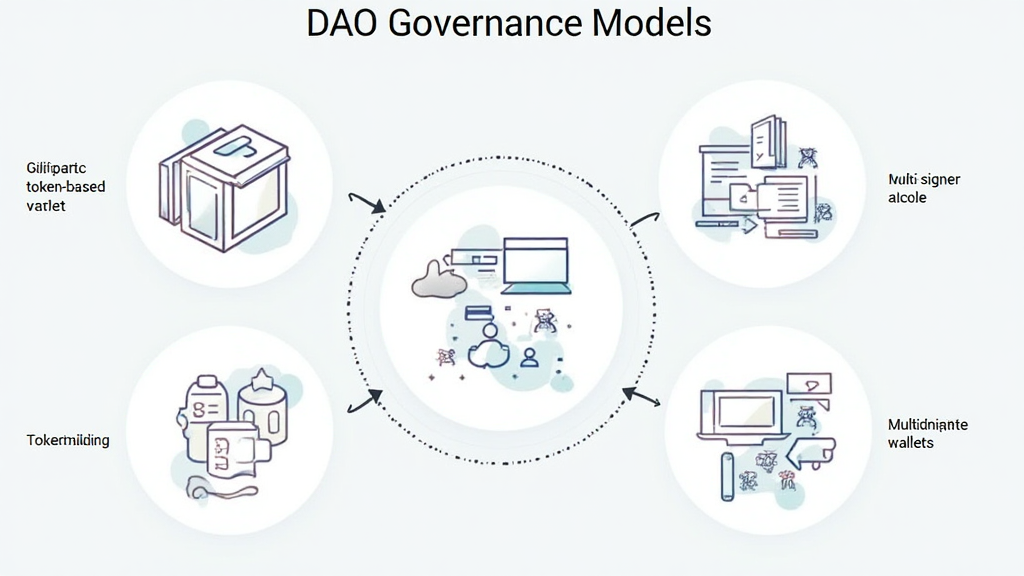
- Multi-Signature Wallet Governance: This model requires multiple approvals for any transaction or decision, distributing power across various stakeholders.
- Token-Based Voting: Participants use tokens to vote on proposals, with voting power proportional to the number of tokens held.
- Liquid Democracy: A blend of direct and representative democracy where voters can delegate their voting power to another member.
Each model has distinct merits and limitations that are important to consider as projects scale.
How Token-Based Voting Works
In a token-based voting system, participants engage in governance by casting votes through tokens, a method that aligns the interests of token holders with the organization’s objectives. For example, a DAO might require a majority of tokens to approve new initiatives or changes in policy.
Here’s the catch—while this method allows for direct involvement of stakeholders, it can also lead to issues like concentration of power among larger holders, which often raises concerns about equitable representation.
The Benefits of Multi-Signature Wallet Governance
Multi-signature wallets require several members of the DAO to approve transactions or decisions before they are executed. This model enhances security and accountability, as it mitigates the risks associated with single points of failure.
For example, using a multi-signature wallet for managing funds can reduce the likelihood of fraud or mismanagement. This approach acts like a bank vault for digital assets, requiring multiple keys to access funds. Moreover, this governance model fosters collective decision-making, making it particularly appealing for collaborative projects.
Challenges Faced by DAOs in Governance
Despite promising frameworks, DAOs face unique challenges that can hinder their effectiveness. Here are some of the common hurdles:
- Voter Apathy: Many token holders may not engage in voting, leading to low participation.
- Scalability Issues: As DAOs grow larger, the complexity of governance increases, often leading to delays in decision-making.
- Security Risks: DAOs are vulnerable to hacks, which can result in significant financial losses.
In Vietnam, where the cryptocurrency market is burgeoning, attention to effective DAO governance models can help mitigate these challenges. The Vietnamese population has shown increasing interest in blockchain, making user engagement critical.
Real-World Applications of DAO Governance Models
Diverse projects have successfully implemented various DAO governance models, showcasing their effectiveness in action. Notable examples include:
- Moloch DAO: Known for its simplicity and effectiveness, Moloch enables members to pool resources for Ethereum development.
- MakerDAO: This model facilitates governance of the DAI stablecoin, allowing token holders to vote on policies affecting the currency.
- Aragon: A platform that allows anyone to create a DAO, reinforcing the accessibility and democratization of governance.
These cases illustrate how DAOs can adapt their governance structures to meet their unique needs, ultimately fostering innovation and collaboration.
Future Implications of DAO Governance
The future of DAO governance lies in its ability to evolve and adapt to new challenges. Simplifying participation, enhancing security, and finding innovative solutions to disengagement will be essential.
According to Chainalysis, taken together, these governance innovations could promote unprecedented levels of collaboration in industries ranging from finance to social good. A strong governance framework will not only serve existing communities but also attract new participants.
Conclusion: Your Role in DAO Governance
As we explored the various DAO governance models, it’s clear that they will play a vital role in shaping the future of decentralized decision-making. Whether through token-based voting or multi-signature wallets, understanding these frameworks can empower you as a stakeholder in the DAO ecosystem. In Vietnam’s rapidly growing crypto market, the growing involvement in governance matters can enhance the community’s resilience and sustainability.
Engage with your community, voice your opinions, and be proactive in shaping the future of DAOs. Remember, your participation can make a difference in how decentralized systems evolve. For more information on effective governance strategies and to read our Vietnam crypto tax guide, visit hibt.com.
This article was authored by Dr. Viet Nguyen, a recognized expert in blockchain technology and governance with over 15 peer-reviewed publications and leading audits for notable projects in the DeFi space. His insights aim to bridge the gap between technology and community engagement.


