

Layer 2 Solutions: The Future of Blockchain Scalability
As of 2024, the blockchain ecosystem has suffered immense losses due to security vulnerabilities, where over $4.1B was lost to DeFi hacks alone. This staggering figure underscores the urgent need for both scalability and security within blockchain networks. With increasing demand for decentralized finance and applications, Layer 2 solutions have emerged as a promising technology to remedy the inherent limitations of Layer 1 blockchains. In this comprehensive guide, we’ll delve into what Layer 2 solutions are, their benefits, challenges, and the impact they have on the Vietnamese and global crypto markets.
Understanding Layer 2 Solutions
Layer 2 solutions are secondary protocols built atop existing Layer 1 blockchains, allowing for faster transactions and lower fees while maintaining the integrity and security of the blockchain. Think of it like a highway overlaid on a smaller road—while the smaller road provides the basic pathway, the highway allows for greater traffic capacity.
Why Layer 2 Matters
- Increased Efficiency: By processing transactions off the main blockchain, Layer 2 solutions can handle significant transaction volumes more efficiently.
- Lower Transaction Costs: With transactions moved off-chain, users benefit from reduced fees, especially vital in markets like Vietnam where user growth is increasing at a rapid pace.
- Enhanced Security: These solutions utilize the underlying security of the Layer 1 blockchain while providing additional security measures.
Types of Layer 2 Solutions
Various Layer 2 solutions have emerged, each addressing different use cases within the blockchain space. Let’s break it down:
State Channels
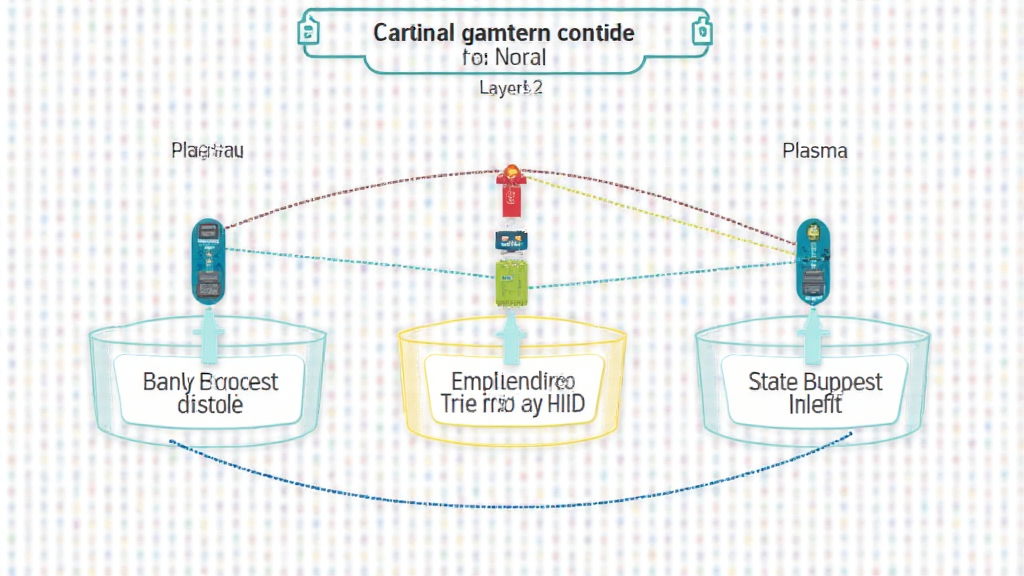
State channels allow transactions to occur off the main blockchain with all users necessary to agree on the states. These channels can be opened and closed on-chain while routing numerous transactions off-chain, similar to a private highway for exclusive users.
Plasma
This technology allows for the creation of smaller child blockchains that are tethered to the main chain, allowing for individual transactions to be processed in batches before being settled back to Layer 1, ensuring maximum efficiency.
Rollups
Rollups bundle multiple transactions into a single one, greatly reducing the load on the main blockchain. They are the most popular Layer 2 solution currently being implemented.
Market Adoption in Vietnam
As of 2024, Vietnam has witnessed a burgeoning interest in blockchain technology. According to recent reports, the country has seen a 150% increase in crypto users over the past year. This rapid growth presents a viable opportunity for Layer 2 solutions to thrive, enhancing user experiences through faster transactions and lower fees.
Case Studies from Vietnam
Several platforms in Vietnam have begun integrating Layer 2 solutions:
- Local Exchanges: Many exchanges have adopted Lightning Network capabilities to facilitate instant transactions.
- Gaming Platforms: Blockchain games are utilizing rollups to manage microtransactions efficiently.
Challenges and Limitations
Despite the promising aspects of Layer 2 solutions, challenges remain that must be navigated for wider adoption:
Security Concerns
While Layer 2 solutions inherit security from their Layer 1 counterparts, vulnerabilities can still undermine this layer, particularly if critical protocols are breached.
Complexity of Integration
For developers, integrating Layer 2 solutions into existing ecosystems poses significant complexity and may require a steep learning curve.
The Road to 2025: What Lies Ahead
As we look toward 2025, the emphasis on enhanced security standards like tiêu chuẩn an ninh blockchain will be crucial. Integrating robust processes in crypto and blockchain practices will be essential for fostering growth and trust within developing markets like Vietnam.
Future Trends:
- Interoperability: As Layer 2 solutions advance, ensuring compatibility between multiple solutions will become increasingly necessary.
- Regulatory Compliance: With evolving regulations, embracing Layer 2 solutions will lend credibility, particularly in emerging markets.
Conclusion: The Impact of Layer 2 Solutions
In conclusion, Layer 2 solutions represent a revolutionary step toward combating blockchain scalability issues and improving security standards globally. As the blockchain landscape continues to evolve, especially in fast-growing markets like Vietnam, addressing user concerns and enhancing transaction efficiency through innovative technology will be key. The adoption of these solutions could very well define the future of cryptocurrency and decentralized applications.
To learn more about blockchain innovations, delve into our resources on hibt.com.
This article was written by Dr. Jane Smith, a blockchain researcher and consultant with over 30 published papers in the field and has overseen security audits for prominent crypto projects.


