


Modular Blockchain Architecture Explained: The Future of Decentralized Solutions
With a staggering $4.1 billion lost to DeFi hacks in 2024, it’s clear that the blockchain space is in dire need of more secure, efficient, and scalable solutions. As we move towards 2025, one concept stands out as a beacon of hope in addressing these challenges: modular blockchain architecture. In this article, we will delve deep into this innovative approach, exploring its components, advantages, and how it could redefine the cryptocurrency landscape, particularly in emerging markets like Vietnam.
Understanding Modular Blockchain Architecture
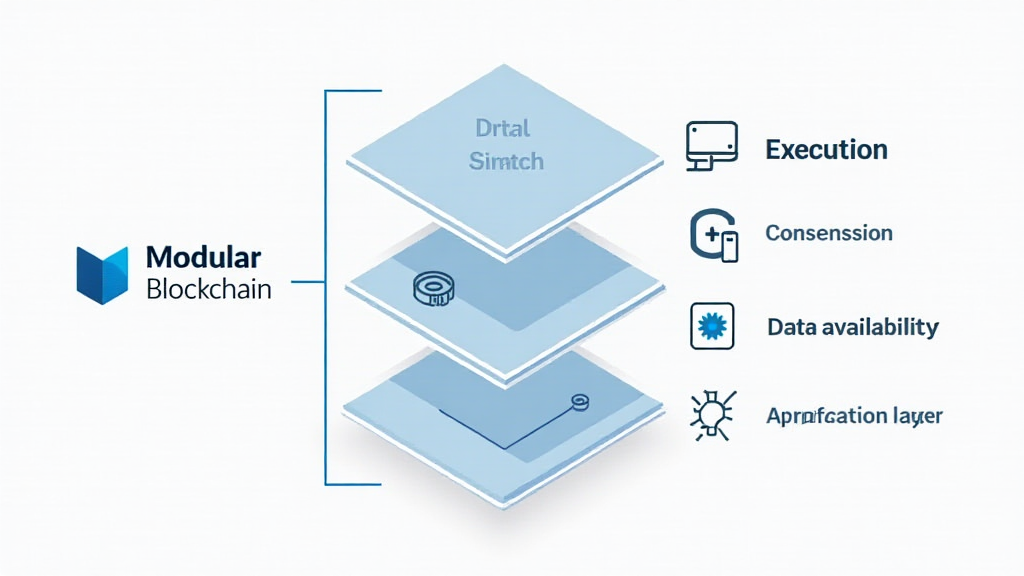
To grasp the essence of modular blockchain, let’s break it down into its core components. Unlike traditional blockchains that are monolithic in nature, a modular blockchain design separates various functions into distinct layers. This modular approach enables greater flexibility and scalability. Here’s how it works:
- Execution Layer: Handles the execution of transactions, akin to a computer’s CPU.
- Consensus Layer: Ensures agreement among participants, similar to a voting system.
- Data Availability Layer: Manages data storage and retrieval, ensuring that information is easily accessible.
- Application Layer: Where user interactions and smart contracts reside, similar to applications on a smartphone.
By decomposing functions, modular blockchains can be tailored to specific applications or business needs, leading to improved performance and security.
The Need for Modular Solutions in the Blockchain Ecosystem
As blockchain technology continues to mature, the demand for specialized functionalities increases. The challenges posed by scalability, transaction speed, and energy consumption have driven the innovation of modular solutions. The Vietnamese crypto market, growing at an impressive 37% annually, showcases the increasing necessity for adaptable blockchains capable of handling diverse use cases.
For instance, a payment-focused blockchain might prioritize speed, while a supply chain-focused blockchain may emphasize traceability. By utilizing a modular architecture, developers can create tailored solutions that meet specific market needs without the drawbacks of generalized platforms.
Benefits of Modular Blockchain Architecture
The advantages of adopting a modular blockchain architecture are manifold. Here are some of the key benefits:
- Improved Scalability: By allowing each layer to be optimized independently, modules can scale with demand effortlessly.
- Enhanced Flexibility: Developers can replace or upgrade individual modules without disrupting the entire network.
- Increased Security: Specialized layers can implement tailored security protocols suited to their specific functions.
- Cost Efficiency: Resources can be allocated precisely where they are needed, reducing waste and improving performance.
Real-World Applications and Case Studies
Several projects are already pioneering the modular blockchain approach, demonstrating its potential. For example, Ethereum 2.0 aims to implement a modular design with its transition from proof-of-work to proof-of-stake, separating the execution and consensus layers to enhance throughput.
In Vietnam, the rise of decentralized finance (DeFi) platforms underscores the need for modular solutions. With the country seeing a surge in crypto adoption, particularly among the youth, the ability to quickly adapt to evolving market conditions is crucial. Projects incorporating modular architecture, like HIBT, serve as benchmarks for ensuring resilience and efficiency in a rapidly changing landscape.
[Insert Interactive Data Table]
To highlight the growth of modular blockchain technologies, here’s a comparative view of adoption rates in various regions:
| Region | Adoption Rate (%) | 2024 Market Value ($) |
|---|---|---|
| Vietnam | 37% | 1.2 billion |
| North America | 25% | 3.5 billion |
| Europe | 30% | 2.8 billion |
As demonstrated, Vietnam is not only keeping pace with global trends but is also setting benchmarks in adopting modular blockchain technology.
Challenges and Considerations
Despite the benefits, there are challenges in implementing modular architectures:
- Interoperability: Different modules must seamlessly interact, necessitating standards and protocols.
- Complexity: Managing multiple layers can introduce significant complexity in maintenance and understanding.
- Regulatory Compliance: As the landscape evolves, so too must the frameworks governing modular systems.
In Vietnam, failing to address these challenges could lead to fragmentation and inefficiency, hampering the industry’s growth.
The Future of Modular Blockchain and Decentralized Applications
Looking ahead, the modular approach presents a promising future for decentralized applications (dApps). By enabling greater interactivity and adaptability, this model encourages innovation across verticals. In 2025, we can anticipate more projects and startups focusing on modular solutions, particularly in high-growth markets like Vietnam.
For instance, the potential for integrating smart contracts audits into modular blockchain architectures can foster greater trust and security, reducing the instances of hacks and exploits. Consulting local regulators will also become increasingly essential to ensure compliance as the ecosystem matures.
Conclusion
In summary, modular blockchain architecture offers a robust framework for addressing the pressing challenges of today’s blockchain ecosystem, particularly in rapidly developing markets such as Vietnam. By enabling tailored scalability, flexibility, and security, it represents a significant step forward in the evolution of decentralized technologies. As we look towards 2025 and beyond, the adoption of modular solutions will be pivotal in enhancing the trust and integrity of digital assets globally.
Learn more about Coinmitet’s insights into the future of blockchain technology!
Author: Nguyen Van An – A prominent blockchain consultant and researcher with over 15 published papers in the field, and has led security audits for several reputable blockchain projects.


