

Introduction
With the rise of digital assets, the importance of blockchain technology has grown exponentially. In fact, losses due to DeFi hacks reached a staggering $4.1 billion in 2024, underscoring the urgent need for robust and efficient blockchain solutions. This is where modular blockchains come into play, transforming the way we think about decentralized networks. In this article, we’ll delve deep into modular blockchains, explaining their structure, advantages, and future potential in the crypto space.
What are Modular Blockchains?
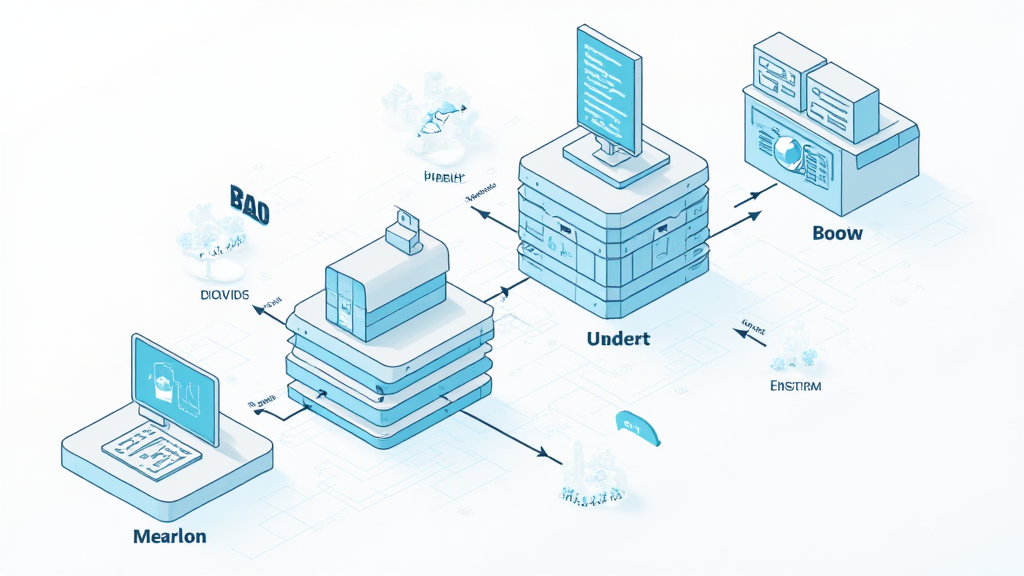
To put it simply, modular blockchains are designed to separate the foundational components of blockchain technology into distinct layers. This makes them more efficient and adaptable compared to traditional monolithic blockchains. Think of it as a multi-layer cake, where each layer serves a different purpose:
- Execution Layer: This is where the transactions occur. It’s optimized for speed and efficiency.
- Data Availability Layer: This ensures that all necessary data is accessible when needed.
- Consensus Layer: This layer takes care of verifying transactions and ensuring network security.
Advantages of Modular Blockchains
Modular blockchains offer a range of significant advantages that set them apart from traditional blockchain architectures:
- Scalability: By separating layers, transactions can be processed simultaneously, leading to higher throughput.
- Flexibility: Developers can innovate and optimize each layer independently, allowing for tailored solutions.
- Improved Security: With specialized layers, security measures can be enhanced without compromising performance.
How Modular Blockchains Work
Imagine visiting a bank. When you walk in, you’re greeted by multiple tellers, each specialized in different services—savings, loans, or investment advice. Modular blockchains function in a similar way by decentralizing functionalities:
- Each layer of the blockchain handles specific tasks: execution, data storage, or consensus.
- This specialization allows for increased efficiency and less congestion on the network.
Real-World Applications of Modular Blockchains
As more projects begin to adopt modular approaches, let’s explore some real-world applications:
- Finance: Modular chains can streamline financial transactions, reduce processing time, and lower fees.
- Supply Chain Management: Improved data tracking and transparency enhance operational efficiency.
- Gaming: Modular architectures can support complex in-game economies and transactions without lag.
The Future of Modular Blockchains in Vietnam
In Vietnam, the crypto market has seen staggering growth, with user adoption rates skyrocketing due to increased awareness and investment opportunities. According to recent surveys, the Vietnamese crypto user population is expected to double by 2025. This transition towards modular blockchains could revolutionize the landscape:
- Reduced Costs: Modular solutions can cut down transaction fees, making crypto more accessible.
- Enhanced Security: As Vietnamese users become savvier, security features of modular blockchains can safeguard their investments.
Disadvantages and Challenges
While modular blockchains have clear advantages, there are challenges to consider:
- Complex Integration: Integrating multiple layers can be technically challenging, requiring precise coordination.
- Interoperability: Different modular solutions need to work cohesively to ensure a seamless user experience.
Conclusion
Modular blockchains represent a promising advancement in blockchain technology, offering numerous benefits over traditional models. As the Vietnamese market continues to grow, the adoption of these innovative systems could redefine how we approach digital assets. For anyone looking to stay ahead in the ever-evolving landscape of cryptocurrency, understanding modular blockchains is not just beneficial—it’s essential. Dive deeper into this fascinating world today withhibt.com and stay informed about the latest developments.
By adopting the modular approach, we can pave the way for a more efficient, secure, and flexible future in the blockchain space. Be sure to explore how these innovations can enrich your crypto experience in Vietnam and beyond.


