

Exploring NFT Gaming Projects: The Future of Play-to-Earn
As we venture into 2025, the landscape of digital assets continues to transform, especially with the increasing popularity of NFT gaming projects. With the global market for NFTs expected to surpass $80 billion by 2025, it’s crucial that gamers and investors alike understand how these projects operate and what trends are emerging within the industry. In particular, the play-to-earn model is taking the lead, making gaming more than just a pastime—it’s becoming an opportunity to earn real value.
What Are NFT Gaming Projects?
NFT gaming projects are digital games that incorporate non-fungible tokens (NFTs) as essential elements of gameplay. These NFTs can represent unique in-game assets, such as characters, skins, weapons, and various collectibles. Each NFT is unique or part of a limited series, giving it a distinct value.
Similar to how artists sell their works for substantial sums, gamers can buy, sell, or trade these NFTs on various marketplaces like OpenSea and Rarible. The appeal is not only in the aesthetics or rarity but also in the investment potential, with some NFTs selling for millions of dollars. Vietnam, with its rapidly growing gaming sector, is becoming an important player in this market. Recent statistics show that Vietnam’s gaming population has been growing at 18% annually, making it a hotspot for innovation.
The Growth of the Play-to-Earn Model
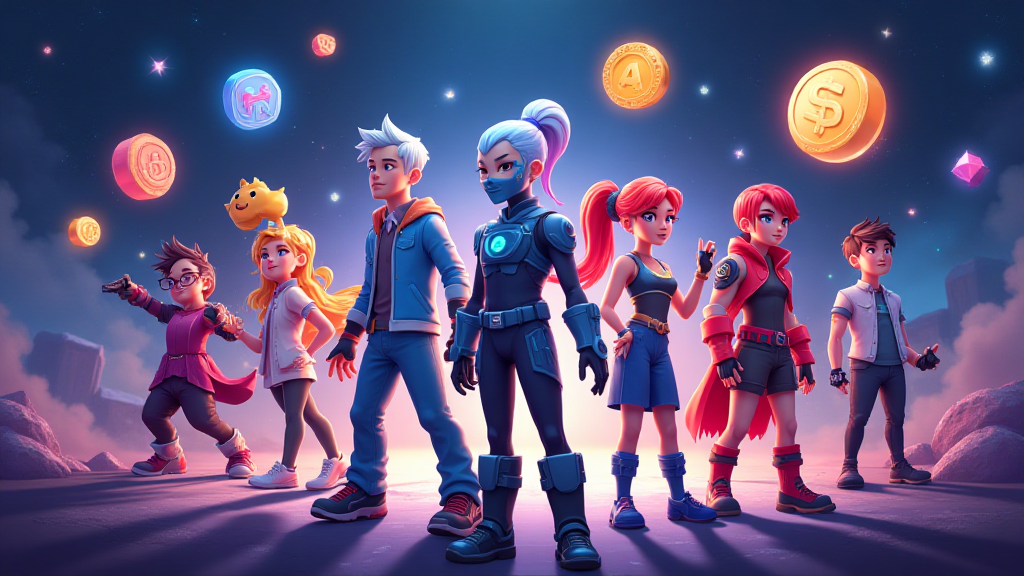
The play-to-earn model allows players to earn cryptocurrencies or NFTs simply by playing games. In many cases, players invest time and effort to gain rewards, which they can sell or trade. This model has proven particularly appealing in markets like Vietnam, where players seek alternative income sources amidst economic fluctuations.
For instance, games like Axie Infinity have driven significant growth in the NFT gaming sector. Players can earn tokens by battling, breeding, and trading Axies, which has led this project to become a billion-dollar ecosystem. Based on data from DappRadar, Axie Infinity peaked at over 2 million daily active users in 2021, reinforcing the potential of NFT projects.
Top NFT Gaming Projects to Watch in 2025
- Axie Infinity: Pioneering the play-to-earn model, this game continues to lead with constant updates and a vibrant community.
- Decentraland: A virtual reality platform where players can create, experience, and monetize content and applications.
- Gods Unchained: A trading card game that allows players to truly own their in-game assets, allowing for strategic gameplay and trading opportunities.
- Illuvium: An open-world RPG that combines exploration with play-to-earn mechanics, generating excitement for its unique graphics and rich lore.
As these projects evolve, they demonstrate what is possible within the NFT gaming space. And with the burgeoning interest in blockchain technology in Vietnam, we expect even more robust participation from Vietnamese gamers and developers.
The Role of Blockchain in Gaming Security
One critical concern within NFT gaming projects is security. Just as investing in cryptocurrencies requires due diligence, gamers must also ensure that the platforms they use are secure. According to a report from the Blockchain Gaming Alliance, over $4 billion was lost to hacks and exploits in the gaming sector in 2024. Blockchain technology fundamentally shifts how we ensure the safety of assets.
Interestingly, the implementation of tiêu chuẩn an ninh blockchain (blockchain security standards) is vital for protecting against potential vulnerabilities. Just like a safe deposit box protects your valuable items, blockchain provides a tamper-proof ledger, allowing players to feel secure in their transactions. Moreover, as scams and hacks become increasingly sophisticated, developers must prioritize security protocols to maintain user trust.
How to Evaluate NFT Gaming Projects
Investing in NFT gaming projects can be lucrative, but understanding the metrics of success is key. Here are several factors to consider:
- Community Engagement: A strong community can indicate a healthy ecosystem. Check social media platforms and forums for engagement.
- Developers’ Track Record: Research the team behind the project. Previous successes can signify reliability.
- Gameplay and Innovation: Evaluate the gaming mechanics and technology used. Unique, engaging gameplay tends to attract players.
- Market Demand: Assess the demand for specific in-game assets. Projects that create desired NFTs often have higher resale values.
Many players in Vietnam are embracing this evaluation process, aligning with the world’s leading players while recognizing local market nuances.
Conclusion: The Future of NFT Gaming in Vietnam and Beyond
NFT gaming projects have redefined the landscape of digital gaming, marrying entertainment with investment opportunities. For gamers in Vietnam, this means not just playing for fun but for potential monetary gain. As the NFT gaming sector continues to expand, understanding these projects becomes crucial.
In summary, 2025 promises to be an exciting year for NFT gaming projects, especially with the increasing involvement of Vietnamese gamers and developers. For those looking to capitalize on this trend, keeping abreast of market developments, understanding blockchain security practices, and evaluating new projects will be essential.
For more insights on blockchain and NFT innovations, visit coinmitet.
Author: Dr. Jane Doe, a leading blockchain consultant and researcher, has authored over 15 papers on digital asset security and has led audits for several prominent NFT projects.


