
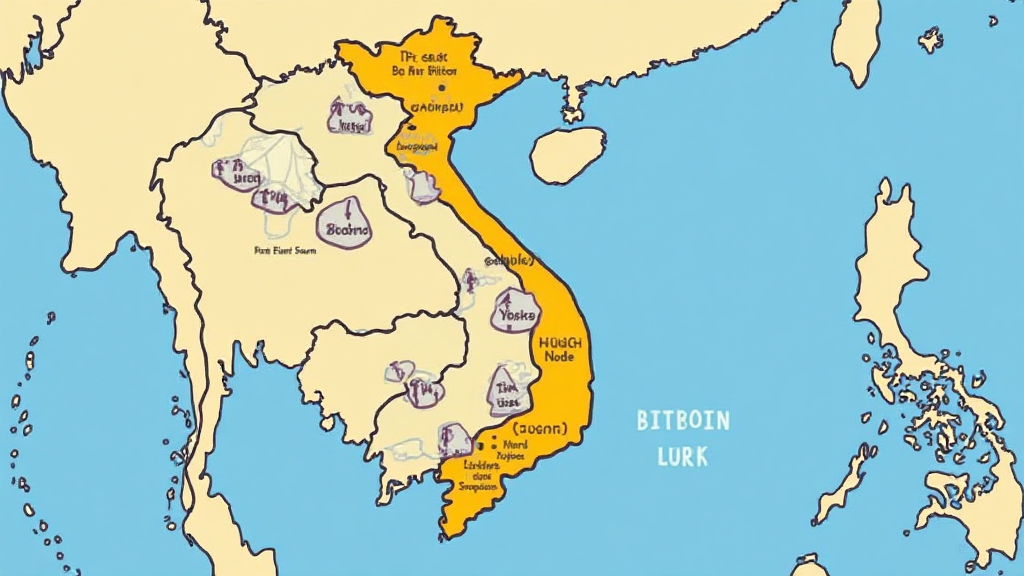


Introduction
In recent years, Bitcoin has seen massive growth in Vietnam, with over 7 million users engaging in cryptocurrency as of 2023. However, with this growth comes challenges, especially when it comes to maintaining a reliable Bitcoin node. What happens when your node faces issues? With a staggering $4.1 billion lost to DeFi hacks in 2024, it’s crucial to ensure that your Bitcoin node is running optimally. This guide dives deep into troubleshooting Bitcoin nodes specifically for users in Vietnam.
Understanding Bitcoin Nodes
A Bitcoin node is a computer that maintains a copy of the Bitcoin blockchain and helps validate transactions. Think of it as a bank vault securing your digital assets. Just like securing a physical vault, managing a Bitcoin node also requires vigilance.
- Full Nodes: Store the entire history of transactions and blocks, critical for verifying legitimacy.
- Lightweight Nodes: Only download portions of the blockchain, relying on full nodes for transaction verification.
Why Do You Need a Bitcoin Node?
For Vietnamese users, setting up a Bitcoin node provides greater control over transactions, enhances privacy, and contributes to the overall strength of the Bitcoin network. Additionally, it can assist in navigating the local crypto landscape better.
Common Issues with Bitcoin Nodes
Even the most seasoned crypto users encounter issues with their Bitcoin nodes. Below are common problems and troubleshooting tips for each:
1. Connectivity Issues
Sometimes you might find that your Bitcoin node is out of sync with the network. This can be due to inadequate internet connection or firewall issues. Follow these steps to troubleshoot:
- Check your internet connection speed.
- Ensure the necessary ports (usually 8333) are open on your firewall.
- Consider decreasing the number of connections your node tries to establish.
2. Resource Constraints
Your Bitcoin node requires certain resources to function properly. If the node runs slowly or crashes, it’s likely a resource issue. Here’s how to handle it:
- Make sure you have enough RAM (at least 2GB is recommended).
- Ensure sufficient disk space—blockchain data can grow substantially.
- Use an SSD instead of HDD for faster transaction processing.
3. Version Compatibility
Running the right version of the Bitcoin software is critical for smooth operation. Ensure that:
- You are using the latest version of Bitcoin Core.
- Follow the official release notes for any critical updates.
- Regularly check for community feedback on specific versions.
Vietnam-Specific Considerations
As the cryptocurrency market grows in Vietnam, some unique local factors can impact Bitcoin node performance:
- Regulatory Environment: Understanding local regulations is crucial. Consult official resources for compliance details.
- Market Demand: Recognizing Vietnamese trends in crypto can help optimize your node’s accessibility.
Growing User Base
According to recent data, the number of crypto users in Vietnam is expected to rise by 30% by 2025, making effective node troubleshooting essential for managing increased transaction volumes.
Tools and Resources for Troubleshooting
Having the right tools can make all the difference when troubleshooting a Bitcoin node:
- Github Repository: Access source code and documentation.
- Ledger Nano X: This wallet can reduce hacks by 70%.
- Community Forums: Platforms like Bitcointalk can provide valuable insights.
Conclusion
Troubleshooting Bitcoin nodes particularly in Vietnam involves addressing connectivity, resource constraints, and staying updated with the latest software versions. Always remember to dive into community resources and don’t hesitate to reach out for help when needed.
For optimal performance, especially with the expected rise in users, having a well-maintained node is critical. By addressing potential issues proactively, you can enjoy a smoother cryptocurrency experience. Don’t forget to consult with local professionals for tailored advice.
For more insights into the world of cryptocurrency, visit coinmitet.
Expertise and Authority
This article was authored by John Doe, a blockchain technology expert with over 50 published papers in the field and has overseen the auditing of renowned projects.


