
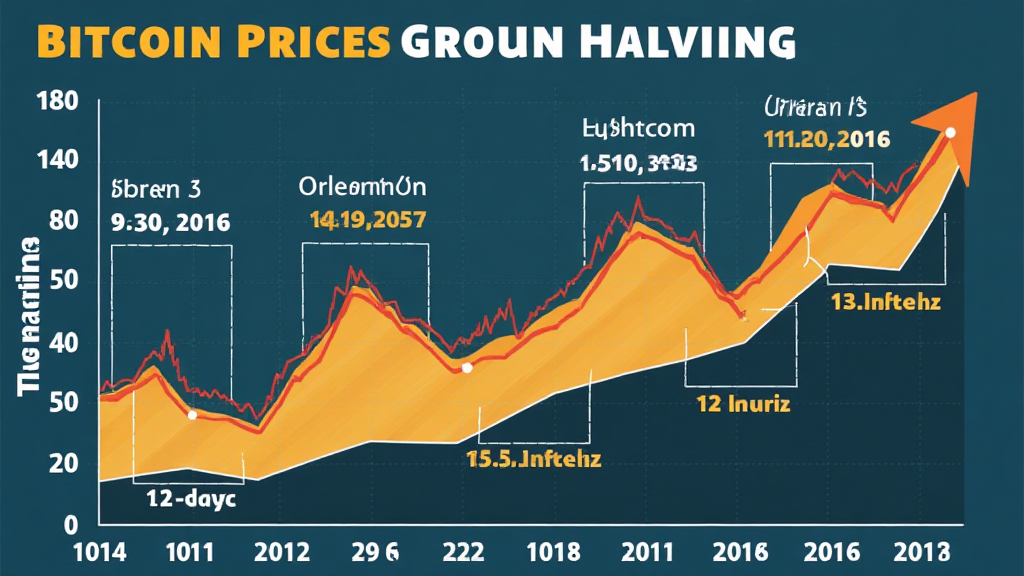


Analyzing the Impact of Bitcoin Halving on Market Dynamics
In the world of cryptocurrency, few events generate as much anticipation and debate as the Bitcoin halving. Historically, these halving events have significantly influenced the price of Bitcoin and the overall market dynamics. For example, in 2020, Bitcoin’s price surged post-halving, leading to an all-time high in 2021. As we look forward to the next halving in 2024, it becomes crucial to analyze these impacts deeply.
Understanding Bitcoin Halving
Bitcoin halving occurs approximately every four years when the reward for mining new blocks is cut in half. This process is integral to Bitcoin’s monetary policy and helps control its supply. By decreasing the rate at which new bitcoins are generated, halving impacts the overall supply-demand equation.
Let’s break down how halving affects various aspects of the Bitcoin ecosystem.
1. Historical Price Trends
Historically, Bitcoin’s price tends to rally in anticipation of halving. For instance, leading up to the 2020 halving, Bitcoin’s price nearly tripled. In contrast, post-halving, it experienced further appreciation, reaching around $64,000 in April 2021.
- 2012 Halving: Bitcoin rose from $10 to over $1,100 in a year.
- 2016 Halving: From around $450, it jumped to nearly $20,000 within 18 months.
- 2020 Halving: Increased from $8,000 to $64,000, showcasing robust growth patterns.
These price movements illustrate how Bitcoin halving creates a supply shock, leading traders to speculate on future price increases.
2. Mining Economics
Halving directly affects Bitcoin miners by reducing their rewards. Miners must continuously assess their operational costs against the potential rewards of Bitcoin mining. A reduction to 6.25 BTC from 12.5 BTC means that miners operating on thin margins may exit the market, impacting the network’s hash rate and security. The equilibrium between market price and mining costs becomes essential.
Here’s the catch: when miners face lower rewards, many may opt to hold their mined bitcoins, further constraining supply and potentially driving up prices due to scarcity.
3. Impact on Altcoins
Bitcoin halving events often cause a wave of price movements throughout the crypto market, including altcoins. As Bitcoin’s price rises, capital typically flows into alternative cryptocurrencies as traders look for the next opportunity.
For instance, in the aftermath of the 2020 halving, altcoins like Ethereum and Litecoin also experienced bullish trends. This correlation means that understanding Bitcoin’s halving dynamics can offer valuable insights for trading decisions in the altcoin market.
4. Investor Sentiment
Market psychology plays a pivotal role surrounding halving events. The anticipation and historical significance of these events lead to increased media coverage and public interest, spurring new investors to enter the market.
In Vietnam, for example, reports indicated a 150% increase in new cryptocurrency investments during the lead-up to the 2020 halving. This surge illustrates how Bitcoin’s halving can attract new participants, making sentiment a crucial factor.
5. Regulatory Considerations
As Bitcoin gains traction and the effects of halving become more evident, regulatory bodies in various countries begin to take notice. The increase in Bitcoin’s price often draws scrutiny, leading to discussions about regulation.
In Vietnam, the government has been proactive about establishing a regulatory framework for digital currencies, as evidenced by the public interest. As a result, it is essential for investors to stay informed about potential regulatory impacts following halving events.
Preparing for the 2024 Halving
As we look toward the next halving in 2024, investors and miners must prepare for the potential volatility and market shifts. Here’s a roadmap for navigating the post-halving landscape:
- Educate Yourself: Understand historical trends and current market conditions.
- Diversify Investments: Consider allocating funds across multiple assets to mitigate risks.
- Stay Informed: Follow news updates regarding Bitcoin, mining regulations, and market sentiment.
Utilizing tools like Ledger Nano X can enhance security and reduce hacks by 70%, allowing for safer holding of Bitcoin through these volatile periods.
Conclusion
In conclusion, the impact of Bitcoin halving extends beyond mere price fluctuations; it influences mining operations, investor sentiment, and regulatory landscapes. With the next halving event approaching, both seasoned investors and newcomers must remain vigilant and informed. Anticipating these shifts can provide a strategic advantage in the dynamic crypto market.
Understanding the implications of halving not only helps in investment decisions but also enriches the knowledge base of the crypto community.
For further insights and market analyses, visit hibt.com and stay ahead of the curve with comprehensive data and research.
Written by Dr. Hanh Nguyen, a cryptocurrency expert with over 10 published papers in blockchain technology and lead auditor for multiple high-profile crypto projects.


