


Crypto Risk Management: Safeguarding Your Digital Assets
With losses exceeding $4.1 billion attributed to DeFi hacks in 2024, the importance of crypto risk management has never been more crucial. As the digital asset landscape continues to evolve, it’s imperative to approach security comprehensively. In this guide, we will delve into effective practices to ensure that your investments remain safe in the face of growing threats.
Understanding the Importance of Crypto Risk Management
As cryptocurrencies gain traction globally, so do the risks involved. Here’s a statistical breakdown:
- 2023 saw a significant 35% year-on-year increase in crypto usage in Vietnam.
- According to Chainalysis, 96% of hacks targeted DeFi projects due to smart contract vulnerabilities.
This highlights the pressing need for robust crypto risk management strategies.
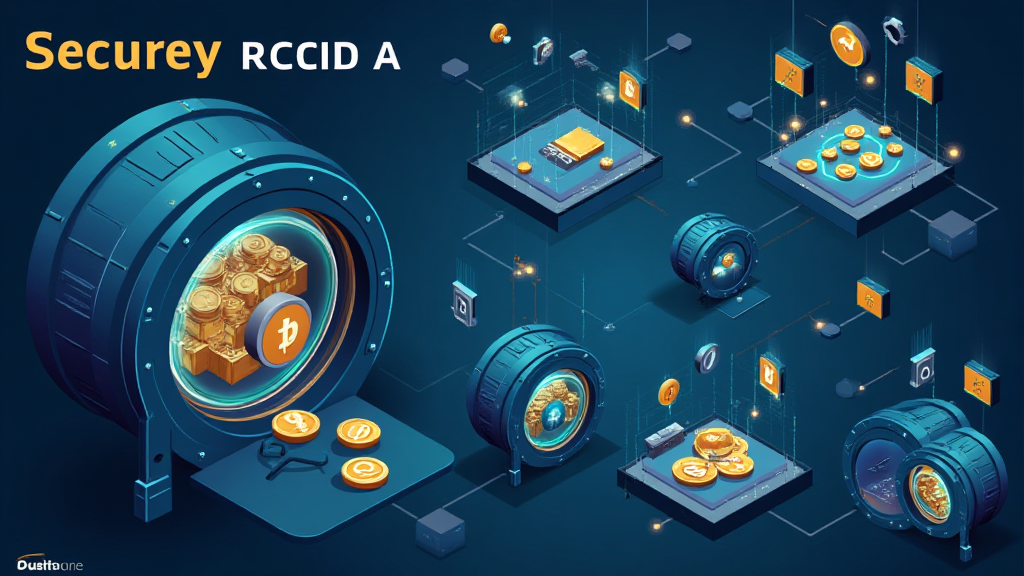
Common Types of Crypto Risks
Understanding various risks is vital for any investor. Here are key categories:
- Smart Contract Vulnerabilities: Many users fail to realize that smart contracts can be exploiting loopholes.
- Market Volatility: The value of cryptocurrencies can swing dramatically within short timeframes.
- Regulatory Risks: Changes in laws can affect token valuations.
- Operational Risks: Issues like poor exchange security can lead to loss of funds.
Let’s break it down further.
Smart Contract Vulnerabilities
Think of smart contracts as digital equivalents of traditional contracts. However, just like paper contracts can have loopholes, smart contracts can also be prone to exploits.
For example, the infamous DAO hack resulted in over $60 million lost due to a vulnerability in the contract code. Systems must be in place to audit and verify smart contracts before deployment.
Market Volatility
The crypto market’s nature can cause extreme price fluctuations, making it essential to employ risk assessment tools like stop-loss orders. To illustrate:
- The price of Bitcoin fell from $64,000 to $30,000 in a matter of months in 2022.
- Investors without protective measures lost substantial amounts.
Regulatory Risks
In Vietnam, regulatory bodies are increasingly focusing on cryptocurrency regulations. The evolving landscape can mean that investments become less viable overnight if compliance measures change. For instance:
- Vietnam’s State Bank issued a directive in 2023 that affected many crypto operations.
- Investors should stay updated with laws to avoid penalties.
Operational Risks
Centralized exchanges have historically been susceptible to hacks, making security a top priority. Consider using decentralized exchanges or cold wallets for security. For instance:
- Cold wallets can reduce hacking risks by up to 70%.
- Tools like Ledger Nano X are highly recommended for investors.
Best Practices in Crypto Risk Management
Engaging with multiple strategies can help mitigate these risks:
1. Regular Auditing
Just like you would regularly check your physical assets, do the same for your digital investments. Contract audits are essential.
Consider tools like CertiK, which are experts in auditing blockchain technology.
2. Investing in Education
Knowledge is your best defense. Familiarize yourself with terms like tiêu chuẩn an ninh blockchain. Understanding crypto will empower you to make well-informed decisions.
3. Diversification of Portfolio
Don’t put all your eggs in one basket. Investing in different types of cryptocurrencies can help spread risk.
- Consider established cryptocurrencies such as Bitcoin and Ethereum.
- Look into promising altcoins for potential growth.
4. Secure Storage Solutions
In addition to wallets, consider using hardware wallets to curb risks associated with online storage options. Hardware wallets work like bank vaults for your assets.
Future Trends in Crypto Risk Management
The crypto industry evolves at a rapid pace. Here are trends to watch for 2025:
- Artificial Intelligence Integration: AI will play a major role in identifying and predicting risks.
- Decentralized Finance (DeFi) Security: Ongoing improvements will aid in securing DeFi protocols.
- Increased Regulation: As crypto adoption rises, so will regulatory scrutiny.
By keeping an eye on these trends, you can adapt your strategies promptly.
Conclusion
Crypto risk management is not just a necessity but an essential strategy for anyone invested in digital assets. With increasing threats and evolving landscapes, keeping yourself informed and prepared is vital. Protect your investments by implementing the practices discussed above.
The importance of risk management cannot be overstated. Regular audits, educating oneself, diversifying portfolios, and securing assets are just a few steps towards safeguarding your investments in the volatile crypto market. As cryptocurrency continues to grow, staying ahead of risks will ensure your financial security.
Stay informed. Stay secure. For more detailed practices on crypto management, visit hibt.com. Don’t forget to keep abreast of regulations and technological advancements.
Author: Dr. Alex Rutherford, a recognized expert in blockchain technology, has authored over 20 papers in the field and led audits for several well-known projects.


