


With the rapid evolution of decentralized technologies, many investors and enthusiasts are keen to discover the potential of decentralized physical infrastructure networks (DePIN) projects. The question arises: how can one harness these innovations to shape the future of blockchain and decentralized structures? In this article, we will unveil the most promising DePIN projects and explore their implications on the market, especially in the context of rising demand in emerging markets like Vietnam.
Understanding DePIN: A New Paradigm in Blockchain
Decentralized Physical Infrastructure Networks (DePIN) represent a paradigm shift in blockchain technology. Think of it as a digital architecture that transforms how we perceive infrastructure. Just as banks secure assets in vaults, DePIN projects are building digital vaults for real-world assets.
The initiative behind DePIN projects focuses on creating a decentralized network of resources—whether it’s computing power, data storage, or physical assets—contributing value to the blockchain ecosystem. According to recent studies, DePIN projects can vastly enhance efficiency, reliability, and accessibility across various sectors.
The Rise of DePIN Projects in Vietnam
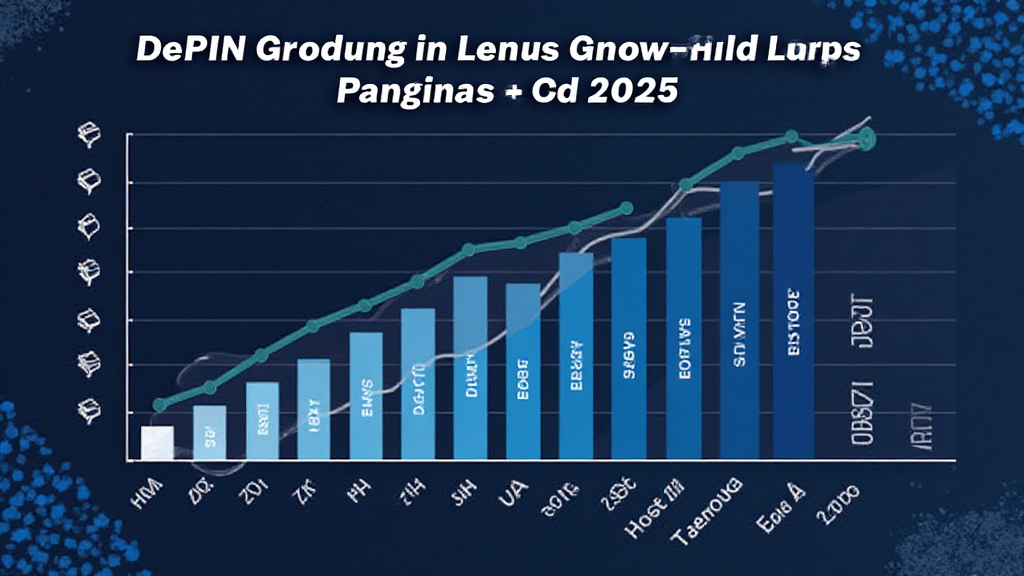
Evidence shows that Vietnam is witnessing a surge in cryptocurrency users, with a growth rate of 25% in 2024. This unlocks significant potential for DePIN projects as they can streamline logistics, financial transactions, and technology infrastructure, tailored for Southeast Asia’s emerging markets.
Leading Examples of DePIN Projects
- **Helium** – A decentralized wireless network that empowers individuals to create hotspots and earn cryptocurrency. Helium revolutionizes how we think about connectivity by turning users into network providers.
- **Filecoin** – A decentralized storage network enabling users to buy and sell unused storage space. It operates on a system whereby storage providers earn tokens based on available space.
- **Akash Network** – It democratizes cloud computing, enabling individuals and businesses to rent out their spare computing power, creating a decentralized cloud offering.
How DePIN Projects Work
DePIN projects leverage blockchain technology to establish trustless interactions between participants in the network. This eliminates the need for intermediaries and central authorities, which is a core tenet of blockchain technology. For example:
Imagine a situation like this: if a company needs additional computing power, they can tap into the Akash Network. Instead of relying on a centralized provider, Akash connects the company with independent providers, allowing for a more efficient, cost-effective solution.
Challenges and Opportunities in the DePIN Landscape
While the advantages of DePIN projects shine bright, certain challenges exist, such as:
- **Regulatory Hurdles** – Many countries, including Vietnam, are still forming comprehensive regulations regarding cryptocurrencies and decentralized networks. This can create uncertainty for investors and developers.
- **Technical Barriers** – Many potential users may lack the technical knowledge needed to interact with DePIN projects or blockchain technology.
- **Market Competition** – As the DePIN market evolves, competition among projects will intensify, leading to a potential oversaturation.
However, the opportunities to capitalize on these challenges are abundant, especially for those investing in education, awareness, and streamlined platforms that reduce technical barriers.
Successful Case Studies from the DePIN Space
Examining real-world case studies can provide insight into what makes a DePIN project successful:
- **SolarCoin**: Focused on incentivizing solar energy producers, SolarCoin allows users to earn coins for every megawatt-hour of solar energy generated, promoting renewable energy.
- **Golem**: A peer-to-peer network that allows users to buy and sell computing power, giving users access to powerful computational resources for tasks like CGI rendering.
Future Trends of DePIN Projects
Experts predict that DePIN projects will continue to flourish in 2025, driven by a growing demand for decentralized solutions. Here are some expected trends:
- **Increased Partnerships** – With traditional corporations seeking innovative solutions, collaboration with DePIN projects will be more prevalent.
- **Integration with IoT** – As IoT devices proliferate, DePIN will provide the infrastructure to securely manage and operate these connections.
- **Focus on Scalability** – Solutions will be designed to scale efficiently, addressing potential bottlenecks in existing infrastructures.
How to Choose the Right DePIN Project
Investing in DePIN can be attractive, yet discerning the right project is crucial. Here are some considerations:
- **Team Credibility** – Investigate the project’s team, looking for experience in blockchain and business development.
- **Whitepaper Analysis** – A thorough review of the project’s whitepaper can provide key insights into its goals, tech, and economics.
- **Community Engagement** – Active community involvement can indicate a project’s health and longevity.
Conclusion
The landscape of decentralized projects, especially in the DePIN sector, is burgeoning with innovation and potential. Both seasoned investors and novices should consider how these projects can reshape various industries, particularly in regions like Vietnam where technology adoption is accelerating.
As we move toward 2025, the possibilities offered by DePIN projects are unprecedented. Just like how the internet transformed information access, DePIN could reshape the value and management of physical assets. Investing in the right project requires due diligence, but the rewards can be a testament to the potential of decentralized networks.
For more insights into the evolving landscape of blockchain and cryptocurrency projects in emerging markets, visit coinmitet.


